

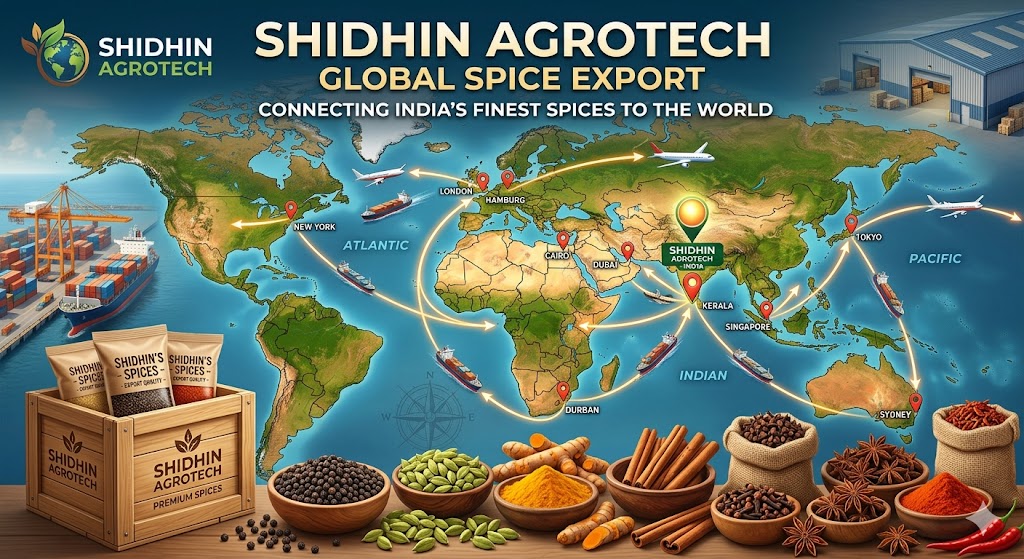
The global shipping industry, once the invisible backbone of our world economy, has become the headline of 2026. If you’ve noticed a delay in your spice shipments or a spike in the price of electronics, you’re feeling the ripples of a maritime landscape in turmoil.
Thank you for reading this post, don't forget to subscribe!From the narrow corridors of the Middle East to the drought-stricken locks of Central America, the “Blue Highways” of the world are facing a perfect storm of geopolitical and environmental challenges.
The Current Bottlenecks: A World Under Pressure
As of April 2026, we are witnessing a rare alignment of crises across three major maritime chokepoints:
- The Strait of Hormuz & Red Sea: Recent escalations have made the Middle East’s primary waterways highly volatile. While some carriers like Maersk have attempted “trial transits” through the Suez Canal, the risk remains high. Many vessels are still opting for the Cape of Good Hope detour, adding roughly 10 to 14 days to journeys between Asia and Europe.
- The Panama Canal: Climate change is no longer a distant threat; it’s a logistical barrier. Record-low water levels in Gatun Lake have forced the Panama Canal Authority to maintain strict draft limits and transit quotas, causing a backlog of vessels waiting to cross between the Atlantic and Pacific.
- Port Congestion: Because ships are arriving in “clusters” rather than a steady flow, major ports from Hamburg to Singapore are experiencing significant berthing delays, leading to what the industry calls “container rolling”—where your cargo sits at the dock waiting for the next available ship.
How the World is “Taking Off”: The 2026 Strategy
The world isn’t just sitting idle; a massive strategic pivot is underway. Here is how global trade is evolving to survive this new reality:
1. The Rise of “Hybrid Routing”
Logistics providers are no longer putting all their eggs in one basket. We are seeing a shift toward Hybrid Shipping Plans. High-value or urgent goods (like premium spices) may take the risky, faster Suez route with high insurance, while bulkier, less time-sensitive goods take the long way around Africa.
2. Nearshoring and “Friendshoring”
The era of hyper-extended supply chains is cooling. Companies are moving production closer to their end markets—a practice known as nearshoring. For example, European firms are sourcing more from North Africa and Eastern Europe, while U.S. companies are expanding footprints in Mexico to bypass trans-Pacific shipping risks.
3. AI-Driven Route Optimization
In 2026, data is as valuable as fuel. Shipping lines are using advanced AI to predict weather patterns, port congestion, and geopolitical “hot zones” in real-time. These systems allow captains to adjust speeds and routes mid-voyage to save fuel and avoid bottlenecks before they happen.
4. The Digital Bill of Lading
To combat delays, the industry is finally ditching paper. Blockchain-backed digital documentation is becoming the global standard, allowing for instant customs clearance. This “paperless trade” saves days of administrative waiting time at the port.
The Silver Lining: A More Resilient Future
While the current situation is challenging, it is forcing the world to build a “structural agility” that didn’t exist five years ago. We are moving away from a system that prioritizes “just-in-time” delivery to one that prioritizes “just-in-case” resilience.
At Shidhin Agrotech, we understand that in 2026, being a global spice exporter means more than just having the best product; it means having the smartest logistics. By diversifying our shipping partners and staying ahead of route updates, we ensure that the flavors of the world reach your doorstep, no matter how high the tide.
The takeaway? The sea may be rough, but the world is learning how to build better ships—and better strategies—to navigate it.