

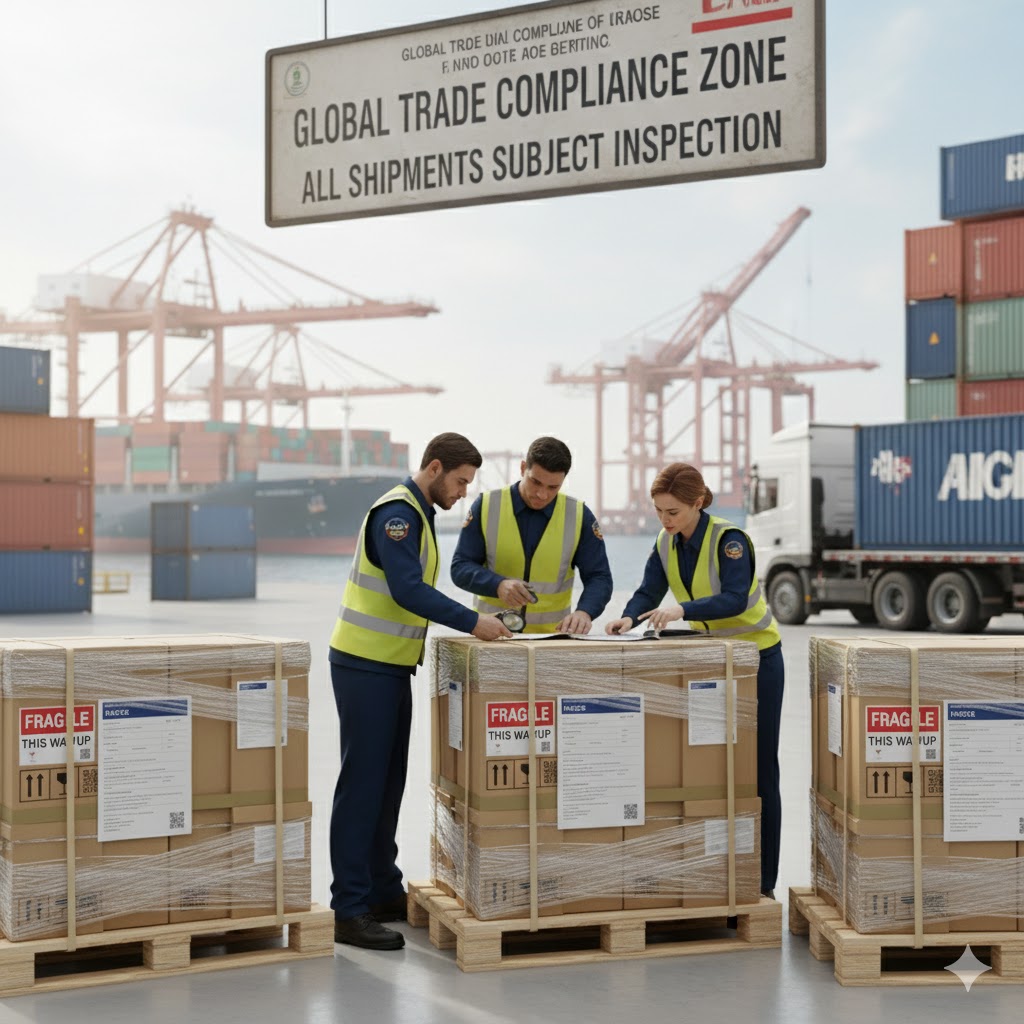
The world is your marketplace! Exporting can be a fantastic way to grow your business, diversify your customer base, and tap into new revenue streams. However, it’s not simply about shipping your product overseas. To truly succeed, careful planning and execution are key.
Thank you for reading this post, don't forget to subscribe!Here’s a comprehensive guide to help aspiring exporters navigate the exciting, yet sometimes complex, world of international trade:
Step 1: Research and Planning – Laying the Foundation
Before you even think about packaging your first product, thorough research is paramount.
- Market Research is Gold: Identify which international markets have a demand for your product or service. Consider factors like economic stability, cultural fit, regulatory environment, and competitive landscape. Tools like government trade statistics, market reports, and trade associations can be incredibly valuable.
- Know Your Product’s Export Potential: Does your product require modifications to meet international standards or consumer preferences? Think about packaging, labeling, voltage requirements, and even cultural nuances in design or messaging.
- Understand the Costs: Exporting involves various costs beyond domestic sales. These include shipping, insurance, customs duties, tariffs, foreign exchange fees, and potentially marketing in a new language. Create a detailed financial plan.
- Legal & Regulatory Landscape: Every country has its own import regulations, product standards, intellectual property laws, and trade agreements. Familiarize yourself with these to avoid costly delays or penalties.
- Business Plan for Export: Develop a clear export strategy that outlines your target markets, sales goals, marketing approach, logistical plan, and financial projections.
Step 2: Getting Your Export Operations in Order
Once your research is solid, it’s time to prepare your business for international trade.
- Secure Funding: Exporting can require significant upfront investment. Explore government export assistance programs, export credit agencies, and commercial bank loans designed for international trade.
- Compliance & Documentation: This is crucial! You’ll need to understand various documents like commercial invoices, packing lists, bills of lading, certificates of origin, and potentially product-specific licenses or permits. Errors in documentation can lead to major headaches.
- Logistics & Shipping: Decide how your goods will be transported (air, sea, land). Work with experienced freight forwarders who specialize in international shipping and can help you navigate customs procedures.
- Payment Methods: Understand the different payment options available for international transactions, such as letters of credit, wire transfers, and documentary collections, and choose the most secure and appropriate method for your business and your buyer.
- Insurance: Protect your goods against loss or damage during transit with appropriate marine or air cargo insurance.
Step 3: Finding Your International Customers
With your groundwork laid, it’s time to connect with buyers.
- Online Presence: Ensure your website is international-friendly, potentially with multi-language options or localized content. Consider e-commerce platforms that facilitate international sales.
- Trade Shows & Missions: Participating in international trade shows or government-organized trade missions is an excellent way to meet potential buyers and distributors face-to-face.
- Partnerships & Distributors: For many businesses, working with local agents, distributors, or joint venture partners in the target market can be highly effective. They have local knowledge and established networks.
- Government Resources: Many governments offer export promotion services, including databases of potential buyers, market intelligence, and counseling.
Precautions to Take for a Smooth Export Journey:
- Due Diligence on Buyers: Always thoroughly vet potential international buyers to assess their financial reliability and legitimacy.
- Cultural Sensitivity: Understand and respect the cultural norms and business practices of your target market. What works in one country may not work in another.
- Currency Fluctuations: Develop a strategy to manage currency exchange rate risks, as these can impact your profitability.
- Intellectual Property Protection: Register your trademarks and patents in your target markets to protect your intellectual property from infringement.
- Seek Expert Advice: Don’t be afraid to consult with international trade consultants, export attorneys, and freight forwarders. Their expertise can save you time and money.
- Start Small, Scale Up: Consider entering one or two markets initially to gain experience before expanding more broadly.
- Customer Service: Provide excellent customer service, even across borders. Clear communication and responsiveness are key to building trust.
Exporting offers incredible opportunities, but success hinges on preparation, understanding the complexities, and a willingness to adapt. By following these steps and taking necessary precautions, you’ll be well on your way to making the world your marketplace.
Good luck on your exporting adventure!