

The global demand for turmeric is skyrocketing. From food processing and gourmet culinary brands to wellness supplements and cosmetics, the worldHow the End of the US-Iran War Will Reshape Global Export Businesses in Next 24 hrs cannot get enough of this “golden spice.”
Thank you for reading this post, don't forget to subscribe!As the world’s largest producer and exporter of turmeric, India is the natural sourcing hub for international buyers. However, navigating the Indian spice market requires more than just finding a supplier who quotes the lowest price. Sourcing truly premium turmeric demands an understanding of regional varieties, quality metrics, and international compliance.
Whether you are a bulk importer, a private label brand, or a food manufacturer, this comprehensive guide outlines everything you need to know to securely import premium Indian turmeric.
1. Know Your Varieties: Not All Turmeric is Created Equal
India grows over 30 varieties of turmeric, each boasting a distinct profile tailored to specific industry needs. Choosing the right one depends heavily on your end-use application.
- Alleppey Turmeric: Grown in Kerala, this variety is highly prized by premium spice brands and gourmet blenders. It features a deep orange-yellow hue, a rich, oily aroma, and a consistently high curcumin content (usually around 5% to 6.5%).
- Lakadong Turmeric: Sourced from the hills of Meghalaya, Lakadong is world-renowned for having some of the highest naturally occurring curcumin levels, often exceeding 7% to 9%. It is the gold standard for the nutraceutical and wellness supplement sectors.
- Nizamabad & Salem Turmeric: Cultivated in Telangana and Tamil Nadu, these varieties offer a bright, attractive yellow color and a milder flavor profile. They are the backbone of mass culinary spice blends and global food-processing industries.
- Erode Turmeric: Famous for its uniform color and structural consistency, Erode turmeric is ideal for industrial food manufacturing where stable, predictable aesthetic output is required.
2. The Core Quality Metrics: What to Look For
When assessing bulk samples or evaluating laboratory test reports, premium quality boils down to four non-negotiable chemical and physical parameters:
Curcumin Content
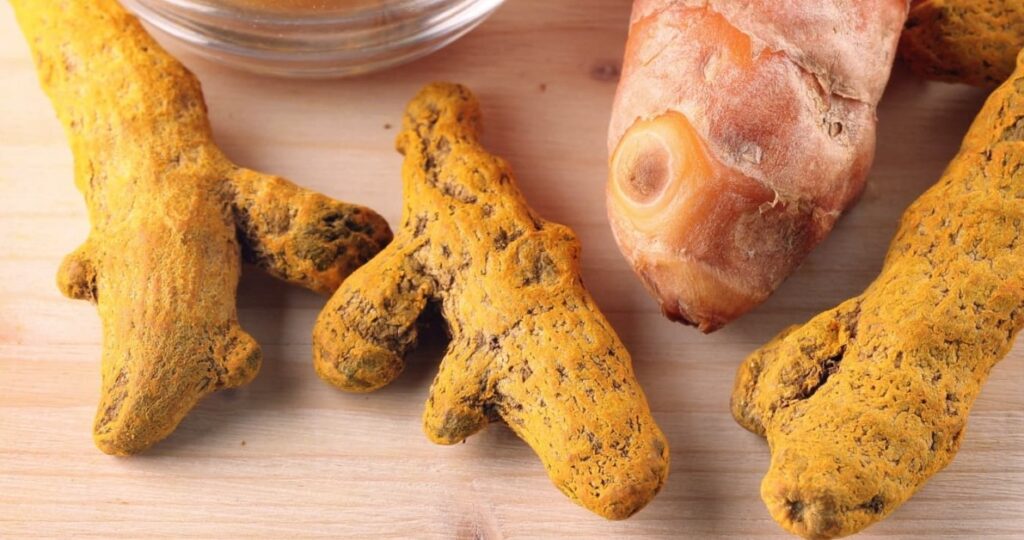
Curcumin is the active bioactive compound responsible for turmeric’s medicinal properties, vibrant color, and distinct earthy aroma. While standard commercial grade turmeric sits around 2% to 3% curcumin, premium grade begins at 4.5% and above. Always request a lab-tested curcumin percentage.
Moisture Levels
For whole turmeric fingers, the ideal moisture content must strictly fall between 5% and 8%. Any higher, and you risk mold growth, bacterial contamination, and a drastically reduced shelf life during maritime transit.
Physical Appearance & Form
You must decide between Whole Fingers or Ground Powder:
- Fingers offer an extended shelf life (18–24 months) and carry a near-zero risk of adulteration. Look for well-polished, hard, and un-snapped fingers.
- Powder saves processing and labor costs but requires airtight, moisture-proof barrier packaging and rigorous laboratory purity testing.
Purity and Freedom from Adulteration
Unscrupulous local suppliers sometimes boost the color of low-grade turmeric using starches, chalk powder, or dangerous chemical dyes like lead chromate. Premium turmeric must be accompanied by a clean certificate of analysis proving it is entirely free from heavy metals, synthetic colors, and foreign matter.
3. The Sourcing and Verification Process
To protect your capital and protect your brand’s reputation, follow a structured, step-by-step verification process before finalizing bulk international wire transfers.
1.Verify Export Credentials:Prerequisite.
Ensure the exporter holds a valid Import-Export Code (IEC), registration with the Spice Board of India, and APEDA compliance. These are legal prerequisites for smooth customs clearance out of Indian ports.
2.Request Technical Specifications:Initial Evaluation.
Ask the supplier for a formal product specification sheet outlining the precise variety, curcumin percentage, moisture levels, and year of harvest.
3.Evaluate Physical Samples:Quality Assurance.
Never place a bulk container order without evaluating a physical sample (typically 100g to 500g). Test the sample’s color intensity, aroma vibrancy, and grind consistency.
4.Audit Packaging Standards:Logistics Prep.
Verify the exporter uses export-ready packaging. Premium ground turmeric requires food-grade, multi-layer LDPE bags or aluminum-lined paper bags packed inside moisture-proof sacks to prevent oxidation and aroma loss at sea.
5.Execute a Trial Order:Risk Mitigation.
Before committing to multi-container contracts, run a smaller Minimum Order Quantity (MOQ) trial shipment to evaluate real-world transit times, document accuracy, and customs compatibility in your home country.
4. Navigating International Certifications
Different target markets demand specific compliance frameworks. A truly premium exporter will proactively provide international certifications to ensure seamless customs processing:
- For US & EU Markets: Look for USDA Organic, EU Organic, ISO 22000, and HACCP (Hazard Analysis Critical Control Point) certifications to verify rigorous food safety and chemical-free cultivation.
- For Middle Eastern Markets: Halal certification is highly recommended and often mandatory for seamless entry into major distribution channels.
- For General Credibility: Ensure the processing facility is registered with the Food Safety and Standards Authority of India (FSSAI).
A Note on Ethical Sourcing: Beyond lab tests, the market increasingly values transparency. Prioritize exporters who work directly with farming cooperatives, ensuring fair trade practices and sustainable agricultural methods. Building an open, direct relationship with an established Indian merchant exporter is the single best way to secure stable pricing, consistent quality, and a reliable supply chain year after year.
For a deeper look into selecting the right varieties based on their chemical footprints, you can check out this detailed Indian turmeric export overview. This short breakdown compares the top commercial varieties exported out of India and explains how their curcumin percentages align with different industry requirements.
How the End of the US-Iran War Will Reshape Global Export Businesses in Next 24 hrs